
Two impactful events were organised by University of Galway
The University of Galway recently hosted two impactful events under the MESS4GE project, bringing together SMEs, consultants, and industry experts to explore Environmental, Social, and Governance (ESG) best practices.
The first event took place on 11th April 2024 and the second on 4th November 2024. Both events were organised by the University of Galway in Ireland, at the Alice Perry Engineering Building. The two events involved 37 participants.
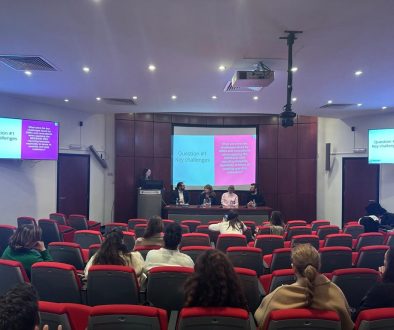
The first event took place on a Thursday, 11th April, in Room ENG 2052. The event focused on discussing compliance with ESG standards and creating awareness on the topic and project deliverables. The event had the partnership with Galway Local Enterprise Office, who disseminated the event with the University of Galway. The goal was to engage consultants interested on working with MESS4GE results, although some SMEs were invited.
The second event took place on Monday, 4th November, in Room ENG 2002. The aim of this event was to introduce SMEs to ESG practices, share innovative tools and methodologies developed under the MESS4GE project, and create an interactive platform for discussion on sustainability and governance challenges.
The main objectives of the event were:
- Bring together SMEs and industry experts to share insights and experiences on ESG
strategies.
- Discuss the relevance and benefits of sustainable business practices.
- Introduce the MESS4GE project and its key deliverables.
- Engage participants in hands-on demonstrations of ESG reporting tool.
- Capture feedback to enhance the project’s impact and reach.
The workshop provided a platform for attendees to exchange ideas and learn from each other on how to enhance their businesses through the implementation of ESG principles. Time was also provided to explore practical applications of ESG reporting tools and collect participant feedback. The two events involved 37 participants.
Both events underscored the growing commitment to ESG integration, highlighting the need for accessible tools, continued support, and broader participation.